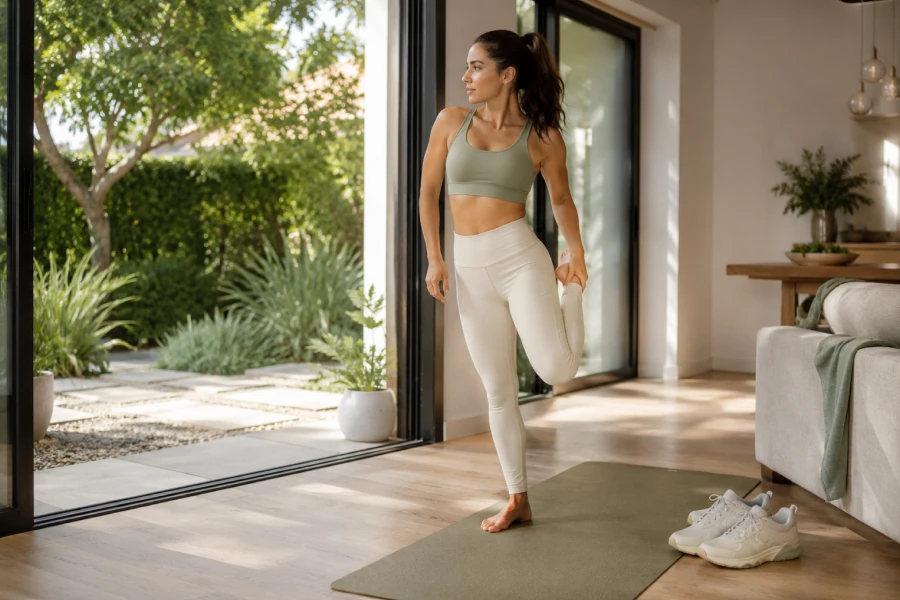
Indoor workout advantages become obvious when life refuses to follow a perfect schedule. A controlled space removes weather, darkness, travel, and many clothing decisions. That convenience can protect exercise during demanding workweeks or difficult seasons. Indoor training also makes equipment, pacing, and progress easier to measure. Yet convenience alone does not guarantee attention, effort, or meaningful progression. The room still needs a purpose, a workable plan, and inviting cues. Small spaces can support excellent training when movement choices match available conditions. Privacy may help beginners experiment without feeling watched or rushed. Experienced exercisers may value precision more than atmosphere on key sessions. Used thoughtfully, indoor movement becomes a reliable foundation rather than a compromise.
Time pressure often damages routines before physical fatigue ever becomes the problem. Indoor sessions reduce preparation because equipment and clothing remain close at hand. A twenty-minute workout can begin without driving, parking, or checking forecasts. That saved time makes movement easier to place between existing responsibilities. Convenience also supports shorter sessions that would not justify a longer commute. A home workout consistency strategy can preserve momentum during unusually crowded weeks. Regular brief sessions often outperform ambitious plans that repeatedly get canceled. The key is giving each workout a clear purpose and realistic duration. Keep equipment visible enough to prompt action without cluttering the room. A simple setup lowers friction while protecting the calm of your home.
Indoor environments allow precise control over temperature, lighting, music, and timing. That stability helps you compare performance across sessions with fewer outside variables. You can repeat the same exercise setup and observe gradual technical improvement. Controlled surfaces also support balance work, lifting, and careful rehabilitation exercises. This predictability matters when confidence or coordination is still developing. However, complete sameness can reduce attention if sessions never evolve. Change exercise order, tempo, rest, or equipment while keeping the goal clear. Those small adjustments preserve interest without making progress difficult to measure. The room becomes useful because it supports both repetition and thoughtful variety. Control should simplify training, not trap you inside an inflexible script.
Strength improves through repeated challenge, sound technique, and adequate recovery. Indoor equipment makes resistance easier to select, record, and increase gradually. Dumbbells, bands, machines, and bodyweight variations can serve different experience levels. Mirrors or video can help identify posture issues when used without obsession. A gym-free training options approach also works with limited household equipment. Slow tempo, pauses, unilateral movements, and longer ranges increase difficulty effectively. Focus on stable movement before adding speed, load, or complicated combinations. Record only information that helps the next session become more intentional. Tracking every possible detail can create pressure without improving decisions. Progress should remain visible, understandable, and connected to your actual goal.
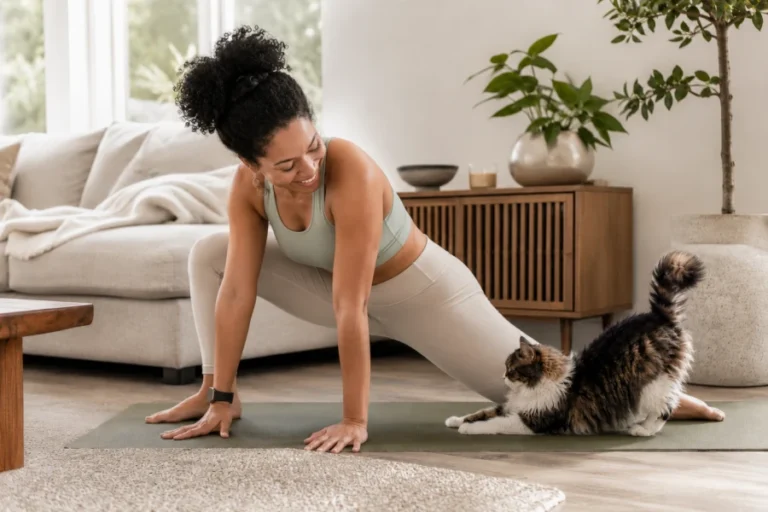
A useful training area does not require a dedicated studio or spare room. Many effective exercises fit within the length of a standard exercise mat. Clear nearby hazards before moving quickly, jumping, or handling weights. Choose compact tools that offer several uses instead of one narrow function. Resistance bands, adjustable dumbbells, sliders, and a sturdy chair provide variety. Organize equipment so setup and cleanup remain quick and predictable. Noise matters in apartments, especially during early or late sessions. Low-impact circuits can challenge the heart without repeated jumping or heavy landings. Good spacing supports confidence because you can focus fully on movement quality. A small room feels larger when every choice serves a clear purpose.
Privacy can make learning feel calmer, especially during unfamiliar exercises. You can pause, repeat instructions, or modify movements without social pressure. This freedom helps beginners notice their bodies instead of comparing appearances. Experienced exercisers may also concentrate better without crowded equipment or interruptions. A weather-friendly workouts plan protects that focused time year-round. Silence notifications, prepare water, and choose the session before beginning. Those boundaries prevent a home workout from becoming fragmented household multitasking. Use music when it supports rhythm, but remove it when technique needs attention. Focused practice often feels shorter because each minute has a clear job. Privacy becomes valuable when it encourages curiosity, effort, and honest self-assessment.
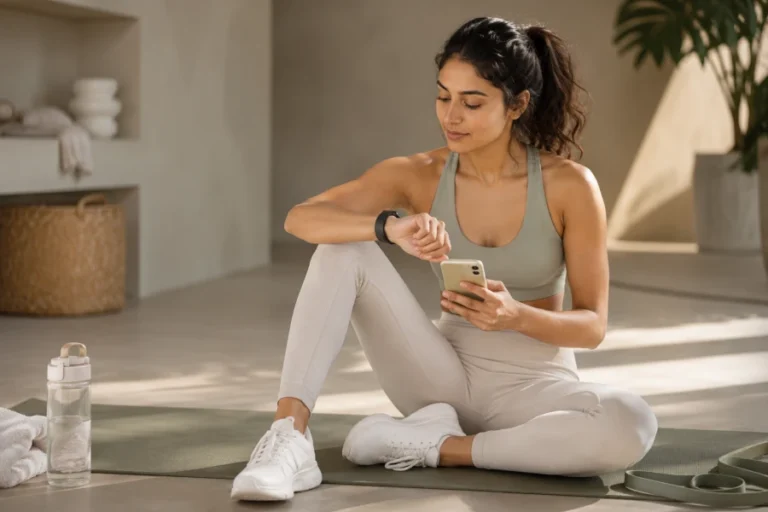
A dependable habit needs a cue, a realistic action, and a satisfying finish. Connect exercise with an existing event such as coffee, lunch, or ending work. Keep the first step extremely easy, like placing shoes beside the mat. Prepare two session lengths so limited time never forces a complete cancellation. Use longer workouts when capacity allows and shorter versions when life becomes crowded. Celebrate completion without demanding personal records from every ordinary training day. Review the routine monthly and remove exercises that no longer serve you. Add outdoor movement when sunlight, social connection, or variety would help. Indoor training works best as one flexible part of a broader active life. Consistency becomes easier when the room supports you without controlling you.

Leave a comment
You must be logged in to post a comment.