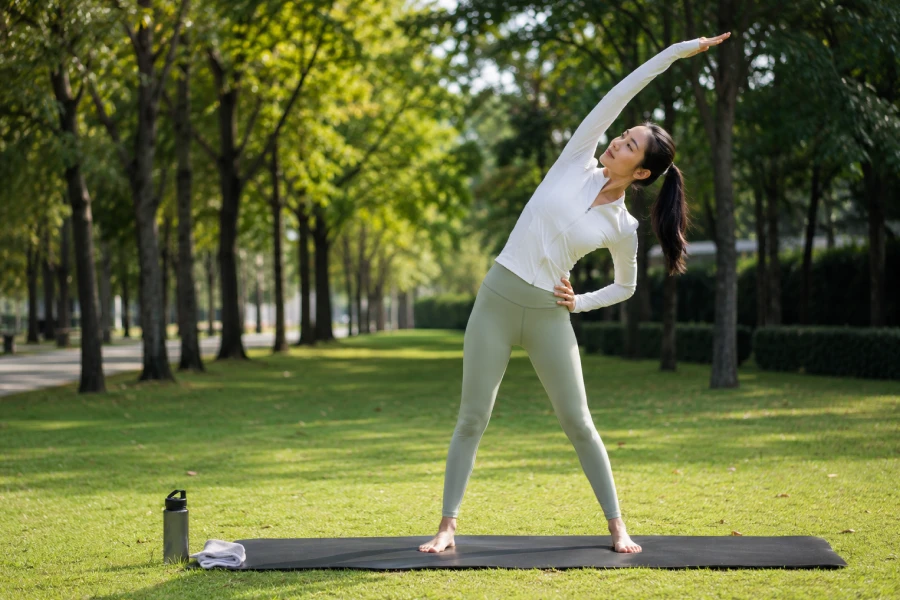
Choosing between outdoor exercise vs indoor training affects far more than convenience or scenery. Each setting changes your focus, effort, mood, and willingness to return tomorrow. Fresh air can make movement feel adventurous, while controlled rooms reduce practical friction. Neither option wins for every goal, schedule, personality, or season. The smarter choice depends on what helps you train safely and repeatedly. Some people thrive with changing terrain, sunlight, and open space around them. Others perform better with predictable equipment, privacy, and steady temperatures. Your best routine may combine both settings instead of defending one side. That flexible approach protects consistency when weather, travel, or motivation shifts. The result is a fitness routine designed around real life rather than ideals.
Outdoor sessions expose your senses to wind, light, sound, and changing surfaces. Those details can refresh attention and make familiar movements feel less repetitive. Indoor spaces remove many variables, which helps you control pace and technique. Predictability also supports precise loading when strength progress matters most. Open environments often invite exploration, longer routes, and spontaneous bursts of effort. Rooms encourage structure because equipment and timing remain easier to measure. Your nervous system responds differently to novelty than it does to control. Understanding that difference explains why one setting may feel energizing today. The other may become more appealing when stress or decision fatigue rises. Use your response as useful information rather than proof of personal discipline.
A clear goal makes the environment decision simpler and more productive. Runners may benefit from roads, hills, trails, and naturally changing resistance. Lifters often need stable floors, dependable weights, and carefully tracked progression. Mobility work can succeed anywhere when the surface feels secure and comfortable. For general health, variety may matter more than choosing a perfect location. An outdoor fitness routine can support endurance, balance, and mental freshness. An indoor exercise plan can simplify strength sessions and busy mornings. Consider the skill you want to improve before selecting the backdrop. Let the goal lead, then choose the setting that removes unnecessary obstacles. This approach makes every session feel intentional without becoming overly rigid.
Motivation grows when a workout offers rewards beyond physical improvement alone. A beautiful route may provide curiosity, sunlight, and a welcome mental reset. An inviting room may offer music, privacy, and freedom from weather concerns. Both settings can become boring when every session follows the same script. Changing routes, formats, or equipment keeps attention engaged without abandoning structure. Your workout environment choice should reduce resistance before the session begins. Notice where you procrastinate, rush, or repeatedly cancel planned movement. Those patterns reveal friction that enthusiasm cannot solve for very long. Adjust the location before blaming yourself for lacking enough willpower. Good design usually sustains motivation better than repeated motivational speeches.
Weather can add excitement, but it can also create unnecessary risk. Heat, ice, poor air quality, and darkness deserve practical respect. Indoor access matters too, especially when crowded facilities increase waiting time. Prepare simple alternatives before conditions force a last-minute decision. A short home circuit can replace a run during unsafe storms. A brisk walk can replace a crowded gym session on a beautiful afternoon. Keep clothing, shoes, lighting, and hydration appropriate for the chosen environment. Accessibility also includes transportation, childcare, cost, and available personal space. The best option is often the one you can start without complicated preparation. Reliable backup choices turn interruptions into adjustments rather than abandoned weeks.
Cardio adapts easily across treadmills, sidewalks, trails, bikes, and stairs. The main variables remain intensity, duration, recovery, and movement quality. Strength work requires more planning when outdoor equipment is limited. Bodyweight drills, resistance bands, hills, and park structures still offer meaningful challenge. Indoor weights make small load increases easier to repeat and document. Outdoor terrain naturally develops balance, coordination, and responsive foot placement. Neither benefit cancels the value of the other training environment. Combine measured strength sessions with less predictable cardiovascular movement when possible. That pairing develops controlled capacity alongside adaptable real-world fitness. Progress follows thoughtful effort, not loyalty to a particular room or route.
A blended week can deliver structure, variety, convenience, and emotional renewal. Plan essential sessions indoors when technique or exact loading matters most. Use outdoor days for walking, running, cycling, mobility, or playful conditioning. Your flexible training schedule should include realistic alternatives for changing conditions. Keep the weekly purpose steady while allowing the daily location to shift. This prevents perfectionism from turning a small disruption into complete inactivity. Review energy, weather, access, and goals before making each practical choice. Over time, you will learn which setting supports different types of effort. That knowledge creates confidence because your routine no longer depends on ideal circumstances. Fitness becomes easier to maintain when both four walls and fresh air belong.




Leave a comment
You must be logged in to post a comment.