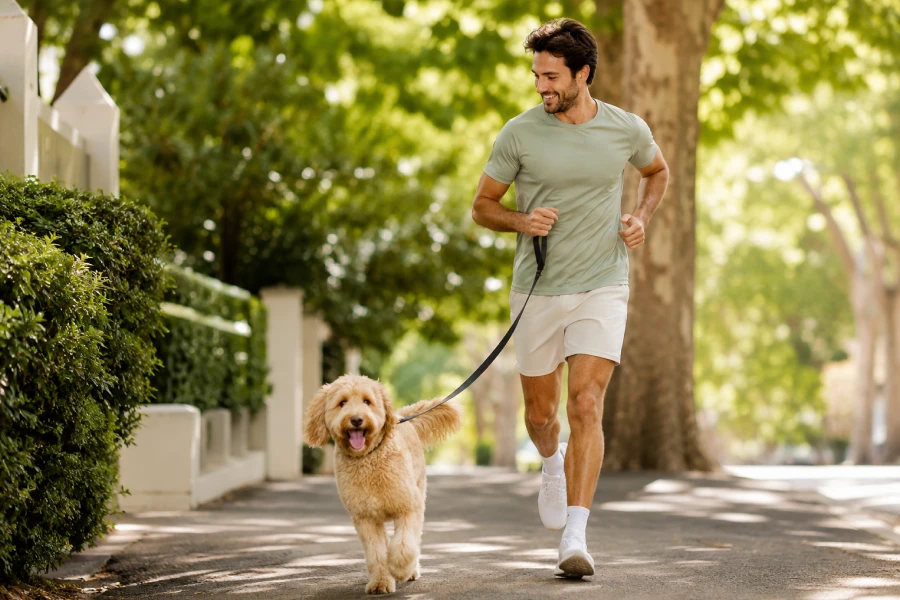
Daily exercise with dogs can turn routine care into meaningful movement for two bodies. A standard walk already includes rhythm, attention, changes of pace, and environmental awareness. Small adjustments can make that time more engaging without making it excessively demanding. You might vary routes, add controlled hills, or include brief training pauses. Play sessions can support coordination while giving dogs valuable social attention. Every activity should match the animal’s age, health, breed, and temperament. Your own capacity also matters because shared routines need to remain repeatable. The goal is not maximizing exhaustion or competing with energetic online examples. The goal is creating safe movement that both participants can anticipate positively. Ordinary days become more active when the leash signals connection rather than obligation.
Dogs often provide consistent cues because their need for movement continues daily. That regularity can help owners begin even when motivation feels uncertain. Once outside, a short walk may naturally become a longer and more satisfying session. The habit also gains emotional meaning through companionship and shared observation. A dog walking workout can include purposeful pace changes without becoming complicated. Alternate comfortable walking with short brisk sections when both bodies feel ready. Use landmarks instead of constantly watching a timer or fitness screen. Keep easier days in the routine so recovery remains possible and enjoyable. Reliable momentum comes from returning consistently, not forcing improvement every outing. The daily cue becomes stronger when success feels achievable in many conditions.
Begin with a few easy minutes so muscles, joints, and attention can settle. Choose routes with enough space to manage distractions safely and calmly. Add gentle hills, varied surfaces, or slightly longer blocks over time. Pause for controlled sniffing because mental enrichment also supports canine well-being. Practice simple cues during natural breaks rather than rushing continuously forward. Good leash handling protects shoulders, hands, and the dog’s comfort. Use reflective gear or lights when visibility becomes limited. Carry water during heat, humidity, or longer routes without reliable access. Finish at an easier pace and observe how both participants recover. A better session feels organized but still leaves room for curiosity.
Walking is useful, but it does not need to carry the entire routine. Controlled fetch, tug, scent searches, and training games add different movement patterns. You may squat, reach, change direction, or move quickly across short distances. Movement games should use safe flooring and enough space for turning. The movement games for dogs you choose should match individual motivation and skill. Food puzzles can create enrichment but may involve less owner movement. Combine them with standing mobility or light strength work nearby when appropriate. Swimming, hiking, and supervised play offer additional options for suitable dogs. Introduce new environments gradually and watch for stress or physical fatigue. Variety keeps activity interesting while preventing one repetitive pattern from dominating.
Dogs communicate comfort and strain through posture, pace, breathing, and behavior. Lagging, limping, repeated stopping, or unusual refusal deserves immediate attention. Heavy panting may reflect heat, stress, exertion, or a medical concern. Stop before a minor problem becomes a frightening or painful experience. Enthusiasm can also hide fatigue in dogs that strongly enjoy movement. Check paws after rough surfaces, long outings, or extreme temperatures. Age and health changes may require shorter routes or more frequent recovery. Ask a veterinarian about appropriate activity when conditions or medications affect capacity. Reading signals protects trust because your dog learns that discomfort receives a response. Safety strengthens the habit far more than completing a planned distance.
Busy days require a smaller reliable version rather than complete abandonment. Ten focused minutes can include walking, play, and a short training challenge. Split activity across morning, midday, and evening when one long block feels impossible. Prepare leashes, waste bags, toys, and weather gear in one accessible location. Use familiar short routes when decision fatigue makes planning difficult. A fitness with dogs routine can support both health and household connection. Ask family members to share responsibility with clear expectations and safe handling. Dog walkers or trusted support may help during travel, illness, or demanding work periods. Consistency should remain flexible enough to survive temporary changes in capacity. A short caring session still counts because it protects the shared rhythm.
Enjoyment grows when the routine includes exploration instead of constant performance demands. Let some walks move slowly while your dog investigates familiar scents. Choose playful sessions where laughter matters more than tracked distance. Rotate routes and toys before boredom becomes obvious for either participant. Avoid comparing your dog’s stamina with animals of different ages or builds. Your relationship should remain central even when personal fitness goals matter. End sessions calmly and provide water, rest, and positive attention afterward. Notice which activities produce relaxed satisfaction instead of frantic overexcitement. Build future sessions around those positive responses whenever practical. Lasting movement develops when both companions are genuinely glad to begin.



Leave a comment
You must be logged in to post a comment.