
A pet friendly fitness routine should make movement easier without making the household chaotic. It needs clear boundaries, safe spaces, and activities suited to every participant. Pets may join directly, observe calmly, or enjoy separate enrichment nearby. The best arrangement depends on species, temperament, training, and available room. People also need exercises that match personal goals and physical capacity. Shared routines work when safety and enjoyment matter more than visual perfection. A short predictable session can become a dependable part of mornings or evenings. Indoor options protect consistency during storms, heat, darkness, or demanding schedules. Outdoor options add space, novelty, and environmental stimulation when conditions cooperate. The result is a flexible household rhythm that supports movement and connection.
Safety begins with understanding how your pet reacts to movement and equipment. Fast gestures, rolling objects, bands, and jumping may trigger excitement or fear. Introduce new items slowly before using them during an energetic session. Create a comfortable station with a mat, bed, toy, or reward activity. An indoor activities with pets plan can teach calm participation gradually. Keep weights and unstable equipment outside the animal’s movement path. Close doors or use gates when separation provides the safest option. Your workout should never depend on the pet remaining perfectly still. Prepare modifications for interruptions, curiosity, or sudden changes in behavior. A safe beginning makes the routine easier to repeat with confidence.
Choose a location that provides enough floor space and predictable household traffic. Consider noise, neighbors, children, furniture, and surfaces before selecting exercises. A compact routine can use bodyweight movements, bands, and controlled mobility work. Plan the session near an existing pet-care event to strengthen the cue. Morning feeding, an afternoon break, or evening play can provide natural timing. Keep a short version available for days when attention and energy feel limited. Longer sessions can include more sets while preserving the same familiar structure. Store equipment where setup takes less than a few minutes. Good design reduces negotiation before movement and cleanup afterward. The routine becomes sustainable when it respects the home rather than overtaking it.
Indoor sessions can combine human exercise with safe animal enrichment nearby. Try controlled squats while your pet searches for hidden treats or toys. Use marching, mobility, or balance drills during calm training repetitions. Keep jumping limited when noise, flooring, or an excited animal creates risk. A pet-friendly exercise ideas collection should include low-energy and high-energy options. Cats may enjoy wand play between sets, while dogs may prefer short cue games. Smaller animals need species-appropriate interaction rather than participation in human drills. Watch for stress signals and provide an easy way to leave the area. Indoor activity should feel engaging without becoming overstimulating or crowded. Flexible combinations make difficult weather less disruptive to the household routine.
Most disruptions become easier when the setup anticipates predictable animal behavior. Exercise after a short walk or play session when excess energy causes interference. Remove food, fragile objects, loose cords, and rolling equipment from the area. Use consistent cues for staying on a bed or outside the workout zone. Reward calm behavior without turning every set into a complicated training lesson. Pause when excitement rises instead of escalating speed or volume. Separation may be kinder than repeatedly correcting a confused or frightened pet. Keep the routine simple enough to restart after an interruption. Perfection is unnecessary because real homes contain movement, noise, and surprises. Preparation creates calm by reducing the number of decisions made mid-session.
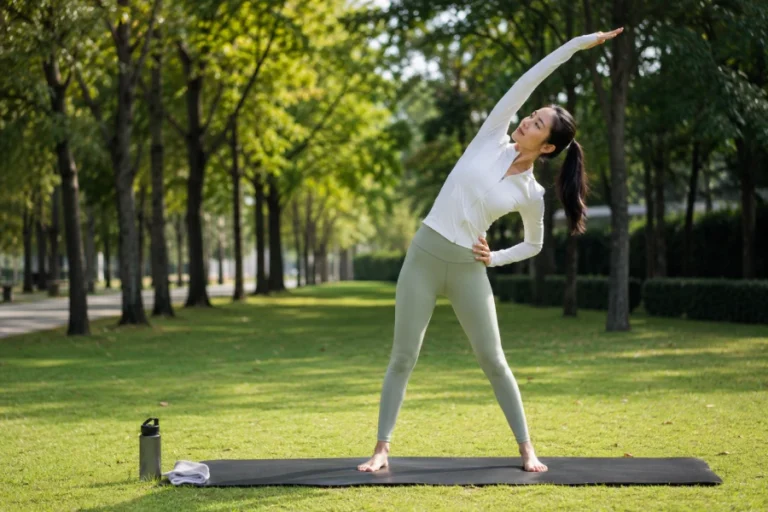
Outdoor sessions may combine walking, hills, intervals, play, and simple strength work. Choose secure environments with appropriate rules, surfaces, shade, and visibility. Use benches or open grass only when equipment and footing feel stable. Keep pets leashed where required and avoid crowded spaces that increase stress. Weather can change safe intensity for both humans and animals quickly. Hot pavement, ice, humidity, and poor air quality deserve serious attention. Bring water and plan shorter routes when conditions increase physical demand. Allow exploration so the outing supports enrichment rather than only human fitness. Outdoor movement works best when the environment feels manageable for everyone. End early when safety, comfort, or behavior begins to decline.
Begin with a few predictable sessions before adding duration or complexity. Observe which activities create calm engagement and which produce repeated disruption. Build future sessions around successful patterns rather than forcing popular ideas. A healthy pet routines approach should evolve as age and health change. Increase only one major variable at a time whenever possible. That may mean more minutes, greater resistance, or a more stimulating environment. Keep recovery days and gentler activities inside the weekly rhythm. Review your own soreness and your pet’s behavior after unfamiliar sessions. Gradual progress protects confidence because the routine remains recognizable and manageable. Over time, shared movement becomes a normal household practice instead of an event.



Leave a comment
You must be logged in to post a comment.